
Description
What is it?
The cast acrylic sheets (PMMA) offer superior quality compared to extruded acrylic. Acrylic, also known as Perspex or Plexiglass, is a rigid plastic with high transparency. It has a density less than half that of glass, but much greater impact resistance. It can transmit up to 92% of visible light, making it ideal for outdoor applications thanks to the presence of a UV absorber that preserves the colors over time.
Characteristics of Plexiglass
- Transparency: Transmits up to 92% of visible light.
- Impact resistance: Much stronger than glass.
- Density: Less than half that of glass.
- UV protection: Contains a UV absorber for longer lasting colors.
Notes for the design
- Laser cuttingLaser cutting on 3mm acrylic tends to “burn” 0.2mm along the cut line.
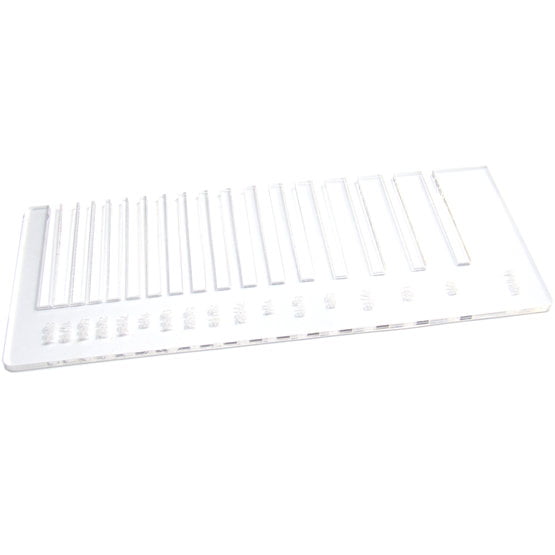
- Details: Details should not be less than 1mm to avoid fragility.
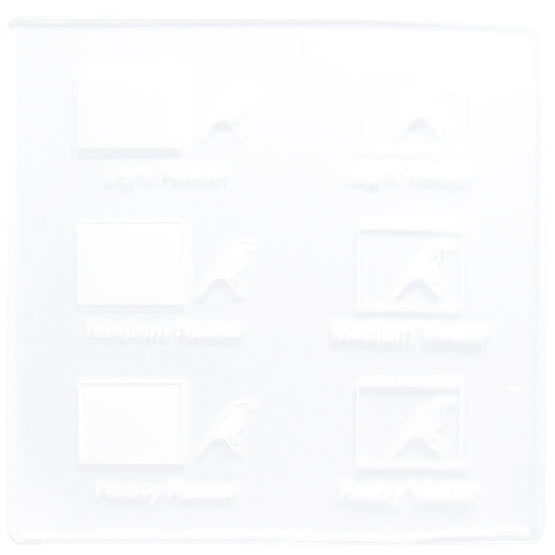
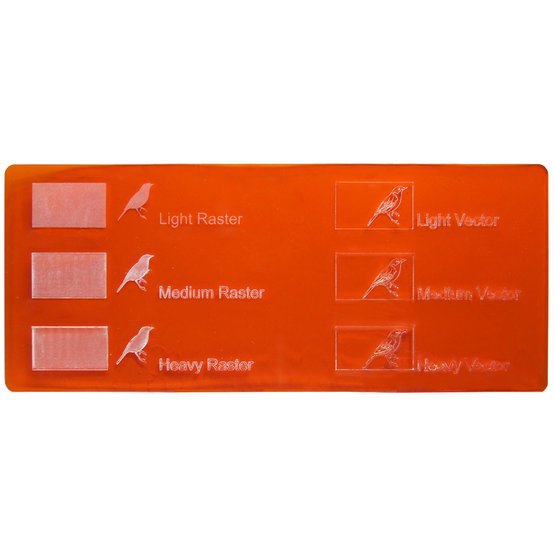
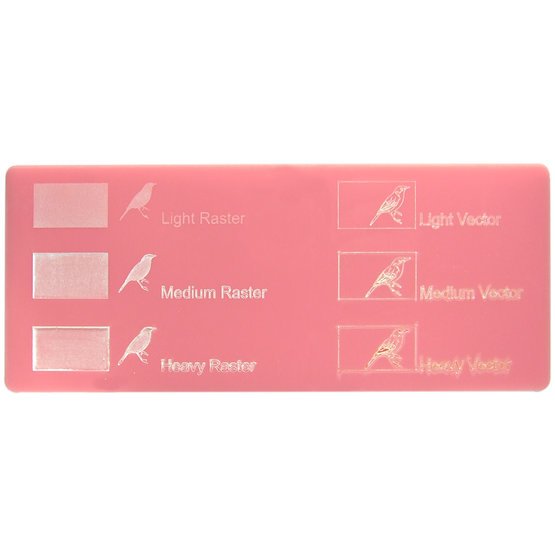
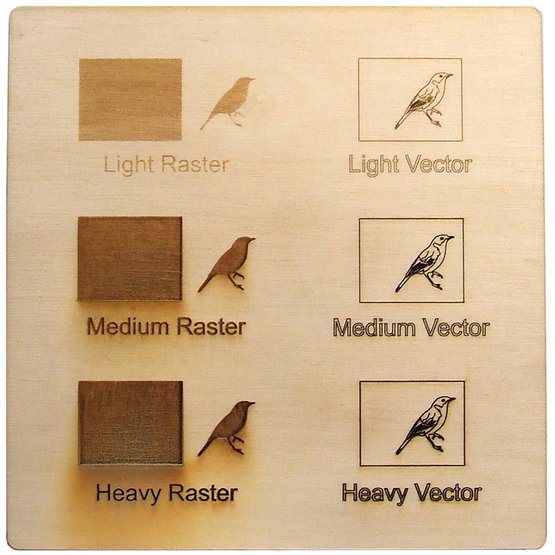
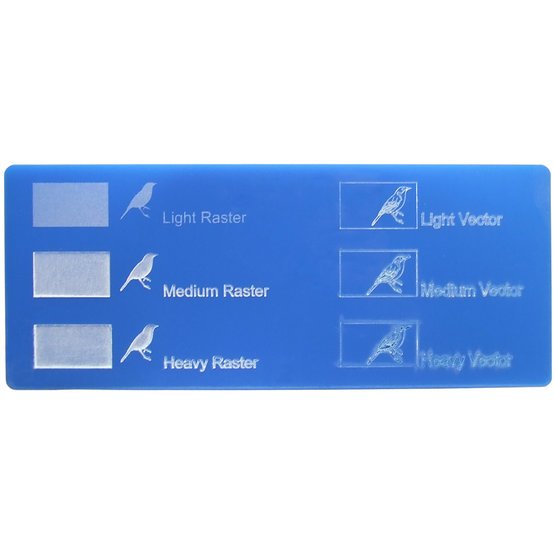
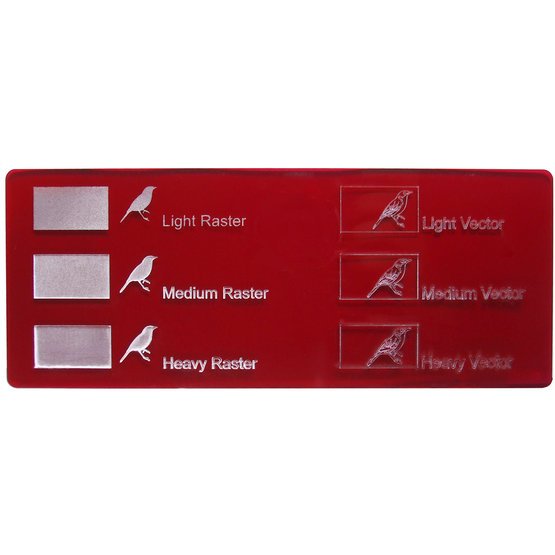
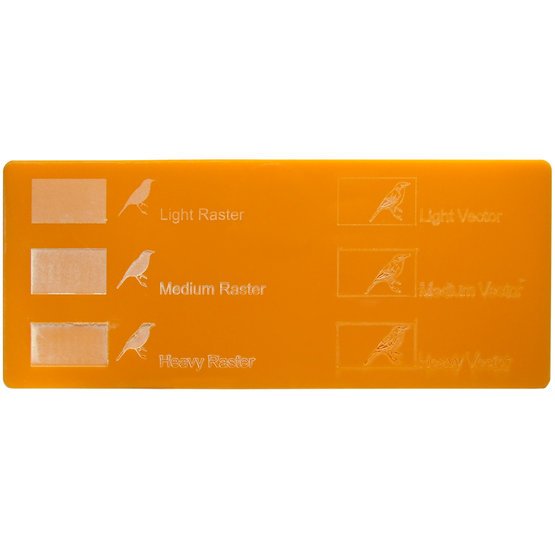
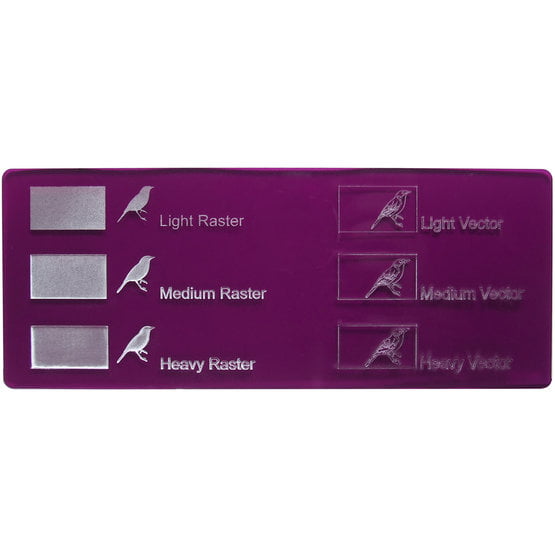
- EngravingsFiles with light engravings, vector or raster, will be processed without a protective film on the top surface.
- Rounded corners: Reduced risk of breakage compared to right angles.
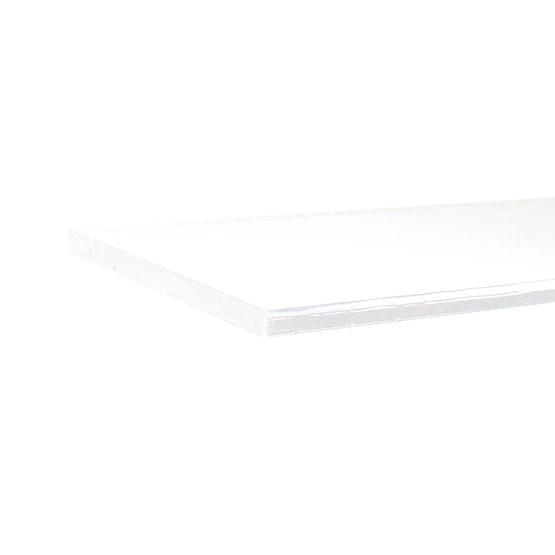
- ToleranceAcrylic sheets have a tolerance of +/-10% from the nominal thickness.
Uses of plexiglass
Plexiglass is used for:
- Furnishing accessories
- Jewels
- Cases for electronics
- Models
Ecological information
Acrylic is a recyclable material, but in Italy it is not yet possible to differentiate it.
Gluing, joints and fixings
Plexiglass can be glued with specialized glues, solvents, or chloroform. Non-specific glues may warp or stain the surface. Three-dimensional objects can be designed with removable or permanent joints. Screws and bolts can be used to join different acrylic parts. It can also be glued to other materials.
Technical details
Depth medium raster engraving: 0.25 mm
Depth deep raster engraving: 0.60 mm
kerf: 0.2 mm over 3 mm
measured on the sample (59.8 mm measured after the drawing cut with 60 mm side)
kerf: 0.3 mm over 6 mm
measured on the sample (59.7 mm measured after the drawing cut with 60 mm side)
All values are purely indicative and are subject to variations based on the sheet of material and the position at the time of processing.


 Italiano
  English
  Français